
darkstar94April 16, 2011
in this dialogue they talk about 有劲儿,can this term be used to describe the physical strength of a person, also, if so what is the opposite?

lujiaojieApril 18, 2011
When you describe the physical strength of a person, you can ssy: 他力气很大。The opposite is 他力气很小。
darkstar94February 16, 2011
留下和剩下有什么区别?

JohnFebruary 17, 2011
留下 (liúxià) is to remain, or to leave (something) behind. You could use this verb for yourself, to say "I'll stay behind."
剩下 (shèngxià) is to be leftover, to be a remainder. So you can't use it for something a person does. It's often used to talk about leftover food, or other resources, or tasks.

RJJune 15, 2009
vocab error:
the mp3 file associated with heishehui on the vocab page is wrong. It vocalizes zhilu rather than heishehui. This error also follows the vocab set when transfered to the flashcards. A mob conspiracy?
jamesfApril 22, 2009
The production value in this lesson is really top notch, very engaging, thanks!


bababardwanApril 16, 2009
kimiik,
hehe,yeah,that would be an unfortunate discovery to find out that your name meant stupid in another language.Still, some people have unwittingly been named some unfortunate names in their own language.

kimiikApril 16, 2009
Bababardwan,
When I watch the pictures I'm not sure if the smile looks blunt or stupid. ;o)
Ps: It reminds me that few years ago James Blunt (which is his stage name) had to explain live on a french radio that blunt and stupid are different words in english.
bababardwanApril 15, 2009
kimiik,
hehe,a very unkind interpretation I'd say.Surely 钝 is referring to "blunt" in this case.
thinkbuddha,
lol.Touche.Did you make that up? David Attenborough is a legend.His documentaries were always superb.
sebireApril 15, 2009
Gosh, I'm now finding the English translations need translation into my kind of English! Haha, I've never heard of the phrase "to flip people off", I know it as "give them the finger". I just imagine human tiddlywinks with the former...

WillBuckinghamApril 9, 2009
Is that Axolotl from David Attenborough's Life on Earth? Did you know that infant Axolotls are called Axolittles?
kimiikApril 9, 2009
I love the chinese name of this Axolotl : 墨西哥钝口螈 (Mexican Salamander with stupid mouth)

matt_cApril 9, 2009
Yeah I didn't change the picture size before I posted so it got squeezed. So cute these things. Looks like a Pokemon.
bababardwanApril 9, 2009
Yeah,beautiful hey,though I think the wider smile and the hello posture on this one is more becoming:
note the dainty shou zhi

green_leafApril 8, 2009
Thanks pearltowerpete,
In chinese,people usually speak the word"派"(pai4) after the word "帮",that's "帮派"(bang1pai4).
My dear friends,If you like to read the gongfu stories or to watch swordsmen films of china,you can hear the word "帮派" usually.It means "faction"."a group of people forming a minority within a larger body, esp a dissentious group."
for example:
武当派(wu3dang1pai4)
昆仑派(kun1lun2pai4)
峨眉派(e2mei2pai4)
少林派(shao4lin2pai4)
崆峒派(kong1tong2pai4)
and so on.

pearltowerpeteApril 7, 2009
Hi nahan
green_leaf is correct, the word is 黑帮.
The most famous 帮s in Chinese history are:
青帮, the Green Gang, a crime syndicate in pre-1949 Shanghai that had close ties to the Nationalist party
四人帮 the Gang of Four, the four leaders who took the blame for the Cultural Revolution.

nahanApril 7, 2009
A friend of mine referred to "黑社会" as "黑班". (I might not have the second character correct. I just remember the pronunciation was "ban"). Has anyone else heard of that usage?
kimiikApril 7, 2009
@Raymondc,
I just wanted to know who can use efficiently chopsticks with the middle finger and the ring finger (without the index finger kept tighten).

zhenlijiangApril 6, 2009
hey raymond, see changye's comment above--quite interesting.
philren, as far as i understand the toes are simply referred to as 拇趾,二趾,中趾,四趾 and 小趾. if there are any other names for them perhaps someone could enlighten us.

raymondcApril 6, 2009
Just curious, since it's a gangster lesson do anyone know why japanese yakuza choose the pinky finger.
日本龙哥为什么砍小拇指?
@kimiik the index finger is 食指, the middle is 中指.
kimiikApril 6, 2009
Ok I admit my question wasn't really clear before.
Here is a new version :
谁会用中指和无名指操作筷子?
kimiikApril 6, 2009
谁会用中指操作筷子?
I thought that the index finger was called 食指 because it was the only finger able the manipulate the directional chopstick. But it seems that some skilled people with small hands can also use their middle finger to do the same thing. That's quite impressive !
Btw congratulations to the Cpod team! This sort of dramatic lesson really imprints the vocab in the memory.
brandonweaver3April 6, 2009
hey wuz up. There's an error in the vocabulary section. The audio for zhi3lu4 (to point out) is used where hei1she4hui4 (Mob/Mafia) should be.
bababardwanApril 5, 2009
changye,
对,听说他很喜欢他的分形手因为它有多用的[最小的手指是很好为印鼠客蚤和头虱丢掉]那么好,所以他要求大熊砍都手指的右手;所以有新分形右手∶
现在他很高兴。是惠在扮[It was a blessing in disguise].他还找多用的分形手!
谁会帮他找新用的??
也许他能偷Pete's100块钱藏在他的脚底下

jimijamesApril 5, 2009
bababardwan well done mate!
这个小猪去市场叫大趾, (This little piggy went to market)
这个小猪留家叫第二趾 (This little piggy stayed home)
这个小猪吃烤牛肉叫中趾 (This little piggy ate roast beef)
这个小猪不吃叫第四趾 (This little piggy had none)
和这个小小猪说"哇哇哇"都时候回家叫小趾 (This little piggy cried "Wee Wee Wee" all the way home)
中國的朋友們,這好像的小詩事实上是兒歌。我小的時候我媽媽也唱了這兒歌爲了我。父母认为腳趾是"小豬"。這意思給小孩兒好樂趣。這兒歌唱得時候父母挠着小孩兒的腳趾。寶貝肯定很高興!
Dear Chinese Friends, This looks like a poem but is actually a nursery rhyme. My mother also sang this nursery rhyme for me when I was little. Parents consider the toes as "Little Pigs". This idea gives their baby much enjoyment. When the parent sings the nursery rhyme the parent also tickles and pulls on the baby's toes. Babys for sure are so very happy!

dunderklumpenApril 5, 2009
哈哈 bababardwan, I never heard that fine piece of poetry before. Neither in english nor chinese :)
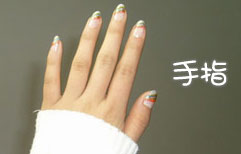
手指 [shǒuzhǐ] finger脚趾 [jiǎozhǐ] toe; digitnciku

zhenlijiangApril 5, 2009
too bad he only grew one new right hand (well two, counting its index finger-tip) though. so i guess the left hand is a dominant trait. when they get the gene therapy fine-tuned they'll straighten that out won't they.
bababardwanApril 5, 2009
With a little axolotl gene therapy the victim in this lesson may have the final laugh when his fingers regenerate:
不过,怎么叫这些新指??
多手做容易工作
bababardwanApril 5, 2009
说明?为什么应该我说明?我觉得猪妈妈爸爸应该说明因为他们让他们孩子们 run amok hither and thither.我只告诉大家猪是这样。他们应该看看他们的孩子们。哎哟

TalApril 5, 2009
lol - baba mate, you're nuts, you know that? ;-)
Well done though. Maybe now you've gotta explain that for our Chinese friends!
bababardwanApril 5, 2009
magnus1977,
我同意.下课应该是关于趾:
你喜欢这个意思吗?:
这个小猪去市场叫大趾,
这个小猪留家叫第二趾
这个小猪吃烤牛肉叫中趾
这个小猪不吃叫第四趾
和这个小小猪说"哇哇哇"都时候回家叫小趾
对不对??
bababardwanApril 5, 2009
miantiao,
就是,所以你继续照顾面条树上袋鼠在四川和别急关于这个没手指人那些现在不有大拇指,不可能指路,不可能骂人,不可能娶,和不可能挠痒痒.
bababardwanApril 4, 2009
miantiao,
你说“也许。。。,也许。。。”
也许面条跳上袋鼠和会来救他?
如果你不来快,就他会有零个手指.
不过,我觉得他不选了,所以他现在有零个手指.
下次他会选那个趾

si1teng2April 4, 2009
用中指来骂人不是“西方”式的而是美国式的手势。比如,在英国我们用食指根中指来这样地骂人。好像那个胜利标志似的,但是相反的。八十年代雷根总统来伦敦的时候错用了这个相反的手势。非常非常不好意思。

miantiaoApril 3, 2009
我还是感到不满意啊!希望要播放第二节,到底他要选砍掉那只手指? 也许他的朋友要来救他,也许他的朋友就是李小龙鬼神啊!也许来救他的人就是他老婆啊!也许他是超人却还没发现,一遭遇危险的时候他潜力超人的实力才要浮现了。
我在等待听听结果。
TalApril 3, 2009
Well bill I hear you, and might even concur if we had actually heard the screams of pain as fingers are severed. 那就是一定太过分了!
It seems to be some quirk of human psychology to remember stuff vividly when the learning is linked to something a little bit nasty or extreme (in some way), and I do find this has happened here!

billApril 3, 2009
我不喜欢暴力. 我没听了这个课. Given the choice of violence or non-violence, why would one for "educative purposes" choose violence? Do I see a tear dropping from Buddha's eyes? Or, is it 雨纷纷 ... an echo from the past. Bill
dunderklumpenApril 3, 2009
Hi ptsmith,
I found some information on nciku and mdbg:
指 [zhǐ] 1. noun finger 2. verb point to 3. verb point … out 4. verb refer to 5. verb rely on
手指 shou3zhi3 finger (Classifier: 个 ge4, 只 zhi1)

ptsmithApril 3, 2009
Can I assume zhi3 指 is a measure word for fingers?
Excellent lesson, very creative!
chapman3usApril 3, 2009
LOL. Great lesson. I could never believe that the mafia could ever teach me the names of my fingers in PTH!Since this is a lesson about fingers, What is the "V" gesture that I see in so many Chinese pictures. How do you say it in PTH? Can anyone explain the Chinese cultural significance of the gesture? Is it similar to the "peace" gesture in the US?I have been told it means victory. But for some reason I still have a cultural block as to its meaning.
jimijamesApril 3, 2009
Great Way To Learn. A touch of Pop and Pulp "Fiction" of course! Great work C Pod.
A ring leader named "Dragon Brother" and his henchman "Big Bear" - stunning!
Easiest way to learn Chinese. Did well for me.
Deep down, everbody likes a good story.
As learning language allows you to understand other cultures. Then why not expose yourself to the possibilities of life in another language.
Good to see a well written and well acted "spoken fiction" still has shock-value.

bodaweiApril 3, 2009
那部电影叫做<天下无贼>看过了吗?很有名的电影。我认为一位人物叫Uncle Li说:‘我要砍你一个手指‘。。然后他把一个手指砍好了。 这个CP的故事不一样,因为龙哥也说 ‘我要砍你一个手指‘,但是不砍!
bodaweiApril 3, 2009
那部电影叫做<天下无贼>看过了吗?很有名的电影。我认为一位人物叫Uncle Li说:‘我要砍你一个手指‘。。然后他把一个手指砍好了。 这个CP的故事不一样,因为龙哥也说 ‘我要砍你一个手指‘,但是不砍!

lotsofwordsandnospacesApril 3, 2009
Maybe it was 大熊 of Doraemon! He is always getting into trouble...
And thanks Pete, I had an inkling it might...

jennyzhuApril 3, 2009
Yeah, 大熊 definitely sounds cuddly and harmless to me, probably because a character in the Japanese cartoon Doraemo is called 大熊。
davidkanedaApril 3, 2009
xuchen i never saw that movie but it looks pretty good.
yeah this was a good lesson.
pearltowerpeteApril 3, 2009
Hi lotsofwordsandnospaces
Lao Wang is an upright citizen, not a finger-cutter!
And 大熊 is a bit affectionate, but it does not have this kind of implication:
lotsofwordsandnospacesApril 3, 2009
Ha! This would have been a way better conclusion to the 'Wang's Office', simply cast Lao Wang as the LongGe and Zhou Jun... as the prolific finger user.
Great lesson!
大熊 - sounds very affectionate/camp to me - is that supposed to sound menacing?
changyeApril 3, 2009
日本黑社会也有陋习砍手指,但是其砍指方式和今天对话里的不一样。你信不信,日本黑社会成员为了对老板表示歉意亲手砍掉自己的手指。这也许是日本传统剖腹自杀的一种“替代品”。据说他们初次砍指的时候砍掉小拇指,第二次的时候砍无名指,以下从略。顺便说下,日本黑社会老板并不无情。他们一般让手下留下大拇指和食指,就是为了吃饭方便。这意味着你一共有六次“赎罪”的机会。你够吗?

xuchenApril 3, 2009
大家好,
我昨晚看了一部电影,《疯狂的赛车》 这是个讲很多巧合的故事,我不会说太多线索,你自己去看看,但至于丢手指和黑社会人,我觉得这个电影很有关系。
而且我该早点儿通知你们,在这个电影里有一些带台湾口音的演员,有很多地方我听不明白。如果你的汉语水平不高我建议你跟中国朋友一起看,这样他们可以给你说明。
有人看过这部电影吗?
tommy2toneApril 3, 2009
Jenny, Definitely a compliment. The more creative, disgusting the easier to remember.
BTW, if you are looking for topics to learn body parts, i suggest an upper intermediate lesson on 瑜伽。I have been taking blingual and chinese yoga classes and have learned quite a bit of phyiscal anatomy in Chinese.
JohnApril 3, 2009
We had a lot of fun doing this lesson! Hopefully you can all stand a little fictional violence in the name of education...
changyeApril 3, 2009
挠痒痒 (nao2 yang3 yang3) to scratch itches痒痒挠 (yang3 yang3 nao2) a back-scratcher = 老头乐 (lao3 tou2 le4) = 不求人 (bu4 qiu2 ren2)
pearltowerpeteApril 3, 2009
Hi alexyzye
Interesting question. Jiaojie and Connie explained to me just now that people would rarely say this directly to someone's face-- today's dialogue is a special situation because it is a gangster.
More commonly, it would be used behind someone's back. Person A thinks is bothered by Person B, so A says to Person C 我一定要给他(Person B)一点颜色看看.

alexyzyeApril 3, 2009
I supposed "给你点儿颜色看看" (show you some colors?) is a generic phrase used to intimidate people? In what situations can it be used?
matt_cApril 3, 2009
Gotta say David as 龙哥, Gucheng as 大熊 and Zhangfeng as the victim were awesome! And of course the editing was another job well done by our editing team.
It was super fun directing this episode.

pearltowerpeteApril 3, 2009
Hi azzote,
得 is a 多音字, a word with multiple readings. When it is pronounced děi, it means “to have to, must."
azzoteApril 3, 2009
mmm... about "我得给你点儿颜色看看", what's dei3 ? It's translated as "I have to..." is that the role of dei3 ? something like "must" ?
pearltowerpeteApril 3, 2009
Hi Jenny,
Well, it all depends about the style of yelling. 家长用脏话骂孩子不行,但骂他懒或不负责任很正常!
miantiaoApril 2, 2009
挺搞笑的啊!入地随俗!摆了陷阱勾引不懂事的人总算是他们的天才手段,比如,借款啊,赌博啊,贩毒什么的。 哎呦,老天啊,我忘了交这月份的保复费。。。。。
假如你陷落这样情况的话,那你要选择切掉哪只手指呢?按照对话来说千万立刻选出一只,否则。。。
darylkApril 2, 2009
Wa! Hard to listen to this lesson. I guess all we can hope is that they were looking at his left, rather than right, hand.
TalApril 2, 2009
Neat lesson, but err... 天啊! What's next, waterboarding? Maybe a day out at Guantanamo Bay for the Beauty Pageant girls.

pearltowerpeteApril 2, 2009
Hi all
骂人 is a tricky word to explain in English. I've translated it here as “to flip people off." This is a special occasion, because we're talking about sticking up your middle finger.
But Chinese uses 骂人 for parents scolding their children, or taxi drivers cursing at slow drivers. Probably the best general definition would be "to yell at."
"Flipping the bird" is a serious gesture in North America. I'd love to hear about rude hand gestures in poddies' home countries. Better yet, you can explain them in Chinese!
What did you notice in this lesson?
You are posting as a guest. Your reply is reviewed before it appears. Log in to post without review.