
johnrtoddMarch 7, 2011
I went to Tong Ren Hospital's ophthalmology department in 1991 with a friend who had an eye infection. Yes, at a hospital, you're talking about crowded.
KethFebruary 28, 2011
I know that when Chinese people come to England they are able to hire a car if they have a Chinese driving licence. Does the same apply to foreigners in China? I have a driving licence ,so will I be able to rent a car in China?

RJFebruary 28, 2011
Sorry, no. Trust me, you wont want to drive, and getting around poses no problem (if you close your eyes).

yikes121212February 24, 2011
“我在车上把早点吃了”
为什么有把?

zhenlijiangFebruary 24, 2011
Hi yikes, 早点 = "light morning meal", "quick breakfast (food)". It comes up at 10:15 in this interview:
https://chinesepod.com/lessons/inside-the-baozi-business


lnclnFebruary 22, 2011
请问, 我有一个问题。 ‘翘’ 这个字怎么用?
John said it can be used for people, so my guess is this describes body parts? That would be a sentence example I'm sure to remember ;)
Can it also describe someone who has a perky personality? Thanks guys, enjoyed the lesson!
yikes121212February 23, 2011
I found the following examples:
-翘起拇指 = to hold up one's thumb
-头发翘起来了 = hair is standing up
-翘首看星星 = to raise one's head and look at the stars
But I too was wondering about, 比如,奶头。。。哈哈!

yikes121212February 22, 2011
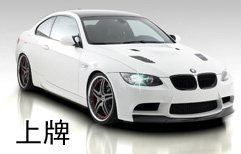
我跟bababardwan有同样的困难,缩写与简称很难以马上看懂听懂。会有帮助的是知道这一点:‘上牌’里面‘上’的用法会出现在啥其他动词?我都想不出来。比如‘上楼’不太一样。 谢谢

DavidXuzhouFebruary 22, 2011
‘上牌’虽然是‘上牌照’的简称,但‘上’的用法和意义是完全一样的。而‘上牌照(上牌)’这个词语本身包括两层意思。
第一是指通过途径获得牌照许可,比如牌照摇号、牌照拍卖、或到车管所登记等等的过程都可以称为上牌。
第二是指将牌照安装固定到到汽车上。那这里的“上”就有‘安装’‘拧紧’或‘将一个物体固定到另一个物体上’的意思。相类似的用法有:上螺丝,上发条,上弦,上子弹,上刺刀,(皮鞋)上油,等等。和‘上楼’‘上学’中的‘上’含义不一样。
roymasterFebruary 21, 2011
方案,谋划, 还有什么? 有什么区别?
DavidXuzhouFebruary 22, 2011
方案是名词,是指具体的计划,步骤,方法等等。
谋划大部分作动词用,有时候也作名词,是指有策略性的计划。
例句:
他们谋划(动词)出了一套完美的军事方案。
通过他们的谋划(名词),改革正一步一步地按照既定方案进行着。
DavidXuzhouFebruary 22, 2011
The reforming is in progress, step by step, according to established program.
drakobinFebruary 18, 2011
Licen c e

bababardwanFebruary 18, 2011
license is US spelling...I'd lie if I said it didn't make sense mate ;)
dominic_auFebruary 18, 2011
对话在7:16左右:
John: 四五万?!
David: 对,就是那块 ... 。
David说了什么?听起来我不太清楚,我只是听得 “xiao tie pi” 或者 "xiao qie pi"。
谢谢!

toianwFebruary 18, 2011
Hi Dominic,
I think you heard correctly: 那块小铁皮 (that small sheet/plate of metal).
bababardwanFebruary 18, 2011
我有一个问题。关于这个“上牌照”和“上牌”。。。让我想起来一个情况。。当聊天跟中国人有的时候他们的讲话太快所以我可以说“请慢慢说”,可是有的时候这样的简称【比如“上牌”】给我一个问题因为很多的同音,所以没有简称的说法多容易理解,多清楚。。怎么要求请不用简称的说法?
hanpihhwaFebruary 18, 2011
In the vocabulary section of this lesson 流程 is pronounced,in the recording, "liu chen" and not "liu cheng"; 政策 is pronounced "zhen ce" and not "zheng ce". Of course my hearing could be wrong.

bodaweiFebruary 18, 2011
'there's not enough room on the roads for 1.3 billion cars'
Rather a dramatic intro to the lesson?? Or someone's arithmetic is a bit off. There's an implication that every person in the country wants to, or could, own a car (at least on average)!
The United States leads the world in all sorts of ways, most famously in car-ownership and energy use. UN data says that in the US there is a staggering rate of three quarters of the population owning a car on average.
The US has 7 or 8 times the car ownership of China - I would rather like a lesson with Chinese people discussing the amazing consumption of energy in the US, used for ferrying people around in their own little cars. :)
The UN data suggests about 130 million cars in China (maybe ChinesePod got the decimal point in the wrong place?) but I suspect that if you looked at the fine print that they are counting motorcycles and scooters.
toianwFebruary 17, 2011
“首都已经成了首堵了”。那怎么办呢?我上个星期才发现了这个很有创意的解决方法,叫“立体快巴 ”(英语名字好像是“跨坐公交车 (straddling bus))。挺有意思的!
根据网上的报道,今年年底北京市会运行一个试点。
一些连接:
发明家宋有洲讲话的视频: 汉语 English version
New York Times article (from last year)


What did you notice in this lesson?
You are posting as a guest. Your reply is reviewed before it appears. Log in to post without review.