
regardinghongkonggmailcomJanuary 24, 2015
I am a bit confused about 风度。
I always hear people say that someone 有/没有风度,meaning someone is or is not gentlemanly.
So I assumed that 风度meant gentlemanly, or polite.
But in this dialogue, 风度means demeanour.
So does 风度take on a different meaning depending on whether there is 有/没有in front of it?

GrambersJanuary 29, 2014
I think there's a tiny, tiny punctuation mistake in this expansion sentence: 有些饭店的服务很好,还提供唱歌,跳舞等表演为客人助兴. The second 逗号 be a 顿号?

MingmaoJanuary 28, 2014
The transcript is incorrect. The title of Li Bai's poem should be "qiāng" not "jiāng" according to the hosts, yet it is written as "jiāng."
jcrogivue130December 22, 2013
Hello,
What´s the difference between 仙 and 贤 ?

ellen_counselorDecember 23, 2013
仙 refers to a supernatural or immortal being.
贤 refers to a wise and capable man.
yeoweeliat117December 13, 2013
quick revision
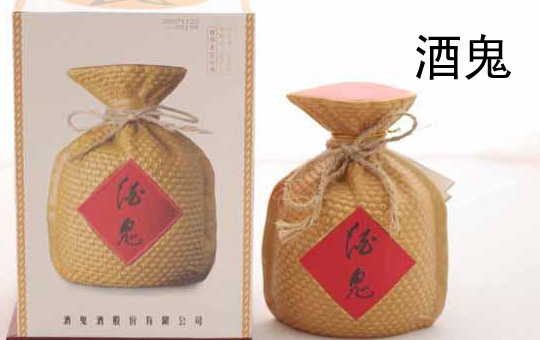
正宗的酒鬼
中国人碰到喜事,都要喝酒助兴/ 为客人助兴
体现出他潇洒不羁的风度
大牌服装的品位一般都体现在细节上
男人个子高才能显得风度翩翩
跳舞有益身心/ 有益健康
吸烟有害健康
酗酒 abuse alcohol
酒鬼 drunkard
醉醺醺 drunk
别称 another name
maggiehkNovember 26, 2013
seems that depending on the context 酒鬼 can be translated as : alcoholic, connoisseur or 'pisshead'.

mikeinewshotNovember 27, 2013
Good thinking. Drinking words are to English as Snow words are to Eskimo perhaps

podsterNovember 27, 2013
Yes, I thought 酒鬼 was just a pejorative, but it seems Li Bai would be referred to as "tippler" whereas someone of my social standing would probably have the word translated as "drunkard."
GrambersNovember 26, 2013
All these years, and I never properly appreciated alcohol's cultural place in Chinese society. 喝酒就有男人味!原来是这样子. Thanks guys.
zanzibareNovember 24, 2013
我觉得在中国会喝酒是应该的。我去年有个朋友去应酬,那个时候他说他不要喝酒, 结果人家都走了,不陪他吃饭。特别在农村或小城市。当然上海已经不是这样子。

david_dNovember 23, 2013
我还记得我前一个中文老师提到了喝酒这个话题。还挺有趣呢!
他又说到“劝酒”这个词。“劝酒”的意思大概是逼别人喝酒。我鼓励这个老师多教我们一些劝酒的方法,但是他委婉得谢绝了。
ChinesePod会不会教我们一些劝酒的手段啊?不是帮我们妨碍别人的策略,就是帮我们“助兴”啊!是不是?哈哈!
反正,你们这个podcast也挺有趣!谢谢!

kelisiNovember 23, 2013
I can access Vocab and Exercises, but clicking on "dialogue"has no effect. I can only play the full lesson, but need to play just the dialogue many more times than the full lesson.


wotingyuNovember 20, 2013
我的理解是:
有喝酒能力是好对喝酒上瘾是不好

RJNovember 20, 2013
that was my take on it too but its only a man's sport. I also noticed that some of the younger educated Chinese tend to frown on heavy drinking. At least the ones I have met. There also are regional and occupational differences.

simonthompsonNovember 20, 2013
The social costs of alcohol consumption a rarely acknowledged in the west.
mikeinewshotNovember 20, 2013
I found this lesson's suggestion very surprising, in that the almost universal attitude to drinking that I have experienced from Chinese people (admittedly predominantly women) is that to drink anything is very bad. I think that many of them have had some bad experiences themselves with drunken men.
My experience is that there is a completely different attitude to drinking in China compared with (I know best) Europe - England, France .... In Europe there is a long tradition of appreciating wine and beer in moderation (and sometimes to excess), but as experiences in their own right, whereas in China alcohol seems to just to be used to get drunk.

brendaninausNovember 24, 2013
I can remember I met up with a language exchange partner and they asked what do I do in my free time.
When I mentioned that sometimes, maybe once a week or less, I go to the bar they looked shocked and never contacted me again after that meeting.
Another time I watched a movie, The Upside of Anger with a Chinese friend in which the lead male character, a love interest of the female character, constantly has a alcoholic drink in his hand. My Chinese friend couldn't understand how someone could love a "drunk", even though he wasn't really portrayed as a drunk, just a retired sports star that likes alcohol.
Although I can agree there are issues with alcohol in the west.

jerryrockNovember 20, 2013
Missing the Exercise section. I have found this section to be useful to consolidate learning. I hope that it has not been eliminated.
simongrantNovember 20, 2013
Good lesson & less difficult than some recent ones. Well structured & new vocabulary clearly introduced. Now going out for a small glass of wine. Ganbei!
simonthompsonNovember 20, 2013
There seems to be a technical issue with this lesson as I am unable to access any vocabulary and not because I been drinking:)

What did you notice in this lesson?
You are posting as a guest. Your reply is reviewed before it appears. Log in to post without review.