
xugandeNovember 20, 2018
Understood but my issue was with the translation, not the Chinese and in English no teacher would refer to his/her pupils as "fellow" students.

ElijahWNovember 21, 2018
Ha, yes, I see that now. Sorry I missed that. I just never look at the English any more unless someone holds a gun to my head. Or points out a problem. Either way will work.
At the beginning of the dialogue, it’s translated as “fellow students,” but toward the end of the dialogue, it’s translated as just “student.”
Have you tried reporting the mistake? If you’re on the website, there’s a button for that.
xugandeNovember 18, 2018
The teacher is not a fellow of the students and I think should address them simply as students.
ElijahWNovember 18, 2018
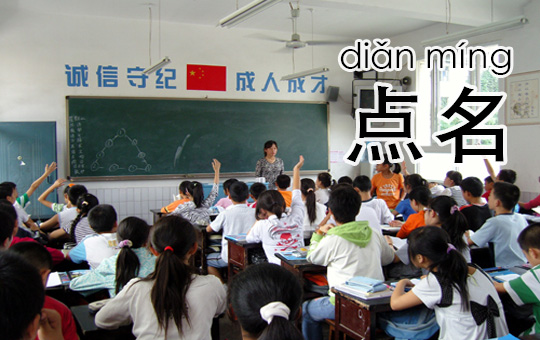
哈哈哈!I hadn't heard this dialogue before. It's a good one.
From what I can tell, adults in the Mainland (including teachers) often call kids of school age 同学 tóngxué. Using 同 tóng in this situation might not make much sense, but it's a commonly accepted convention.


buzzingbeeApril 8, 2014
对我的看法,我可以用“上课” 为了代表那三个下面的事情:
1) To start class (老师说,上课了。)
2) To go to class (like walking to school or taking a bus to school) (我正在去上课)
3) To be in class (上课的时候)
对不对?
谢谢,
Jason

cowenparkseattleFebruary 15, 2014
Missing audio files: all of the audio files are missing for the second set of Grammar sentences, "le 2 urging and reminding".
What did you notice in this lesson?
You are posting as a guest. Your reply is reviewed before it appears. Log in to post without review.