cowenparkseattleJune 17, 2014
Pinyin error in the Print version of an Expansion sentence: two syllables are missing from the person's name.
王诗龄总是能马上适应新环境,这对一个四岁的孩子来说不容易。
Wáng zǒngshì néng mǎshàng shìyìng xīn huánjìng, zhè duì yī gè sì suì de háizi láishuō bù róngyì。
Wang Shiling is always able to acclimate to new environments. For a four-year-old child this isn't easy.

GrambersMarch 28, 2014
想问一下,带外国人去菜场买菜有什么好玩?我不明白。

GrambersApril 4, 2014
哦,我以为中国超市行业的发展近十年以来爆表了。在大城市里大多数的人不是在大润发,乐购什么的买菜的吗?这样的话,除了遇到一些不寻常的食品意外,买菜的经历是跟西方的差不离,对吧?
helencao_counselorApril 8, 2014
在中国虽然超市很多,但是大多数人主要还是选择菜场买菜。菜场买菜相对比较新鲜,而且品种齐全。有些人还会跟摊主讨价还价,比如去掉零头,送葱什么的。买菜的经历跟西方是差不离,只是一种在不同环境、语言、习惯的体验而已。:)
GrambersApril 9, 2014
哦,明白。你说的有道理。不过,我还想问你,你认为全国人都喜欢在菜场买新鲜的菜吗?我已经知道广东人特别重视这一点,但根据我的经验,在这个方面上海人是比较随便的(只在这个方面,没有其他的意思;-))。你觉得这个不对吗?

verazhang100April 10, 2014
作为一个上海人,我来回答你。我还是喜欢在菜场买菜。我觉得那里的菜比较新鲜。而且更重要的是,一般你家附近就会有菜场,但是你家附近不一定有大超市(at least not walkable.)
GrambersApril 10, 2014
那你说的的确有道理。我觉得英国这边也有你提出的那个现象,比如说我的村庄有本地的菜场(虽然称不上真正的中式菜场,但它还是又小又比较简单的那种卖菜的店), 而因为开车到大超市不方便,所以很多本地人会去那买菜。不过,从要节约的角度来看,为了买菜还值得开十多个英里,因为大超市和本地超市的价格差距真是太大。由于人口密度的问题,上海也许没有这种的价格差距。另一方面,资本主义的垄断趋势也可能会造成同样的现象?换句话说,上海大超市和本地菜场的价格差距怎么样?
verazhang100April 10, 2014
上海没有这个问题。一般菜场和大超市的价格差不多。但是大超市有一些高级的菜,比如有机蔬菜。所以我发现上海的外国人一般喜欢去超市买菜,但是普通上海人还是经常去菜场。
markusveraliusMarch 12, 2014
我對體驗,經驗跟經歷還是有點搞混了。 我以為體驗是個動詞, 不過播客最後面
的部分,Greg來說, "...分享你們的體驗把",所以體驗也可以用名詞嘛。 另外,看來經歷也可以用名詞吧。
Can't tell you if your Chinese is accurate or not Shanghaichanges, but good effort with the paragraphs!

shanghaichangesMarch 12, 2014
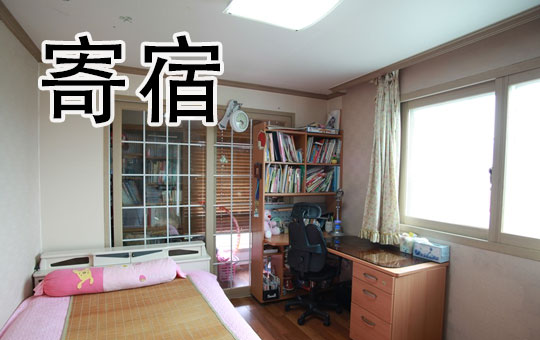
When I was in secondary school back in the UK, I remember when my dad use to be a house guest during the summer holidays for one of my school colleagues, because buying a ticket to go home back then would cost a fortune. Also we get to earn a little accommodation fee and I get to practice using Cantonese, so why not?
When my school colleague's father paid us a visit from Hong Kong, we found out he was a long lost relative of ours after a deep conversation over dinner. Really small world!
我记得在英国上中学的时候,我的爸爸做一个东道主为了我的同学。因为暑假的时候买飞机票回去他的家很贵。我们也可以赚点儿费用,还可以顺便联系用粤语。可乐而不为?
我同学的爸爸有一天从香港过来感谢我们,然后吃饭的时候有浓厚的讨论发现他是我们的失散年的表弟! 世界呢么小!
How's my Chinese? Is it accurate?
我的中文这么样?准确吗?
adam_p_laxMarch 12, 2014
I really like this dialogue, it has a lot of great language to talk about language and cultural exchange!

mikeinewshotMarch 12, 2014
好容易 in supplementaray vocab is translated as 'not easy' instead of 'easy'.
I have a problem hearing the third tone correctly in the vocab pronunciation of 洁癖。 It sounds more like fourth tone to me. (compare with the pronunciation of third tone in 即使 which is also in this lesson)
mikeinewshotMarch 12, 2014
Actually listening to the podcast, I am confused. The podcast seems to say that 好不容易 and 好容易 have the same meaning - how can this be? Or am I losing my grip?
mikeinewshotMarch 12, 2014
Weirder and weirder! On further listening to the dialogue Vera says that many people do say 洁癖 with a fourth tone, but that you should use third tone ....
akifalconMarch 12, 2014
The case of 好容易 vs 好不容易is an oddity. They do, in fact, mean the same thing. Does anyone know if 好容易 is more restricted to 口语, or if there is any other difference in usage?

tingyunMarch 12, 2014
好容易 is not modern colloquial, you get it alot in early vernancular.
Yes, they both mean 'not easy'. This is actually an exception from the more general tendency, where the 好不-- pattern is the same meaning as the 好-- pattern, and both mean the affirmative. Ie:
好不快活 usually means 好快活 means 快活
好不可怜 usually means 好可怜 means 可怜 (very possibly in a sarcastic manner)
In other words, the exact opposite of the situation with 好不容易,好容易, where they mean the negative 不容易.
But outside of the 容易 formulation, you don't get this pattern that much in modern chinese, so the exception to the 好不 pattern's meaning actually probably feels more like the rule to most people. At any rate, all of these are just usual patterns - a speaker could say 好容易啊and mean 'that was very easy!' (In fact, in modern usage that might be more common), or use 好不 to mean the negative - so really any interpretation is possible, and you must decide by context.
At any rate, all are colloquial expressions, in the sense of the vernacular that emerged some 700 years or so ago. Hence nothing really set in stone.
It is not hard to understand why we have these meanings - essentially, they are a form of sarcasism that is used to emphasize your meaning (or they were, originally - and just have become somewhat more of set expressions after centuries of use, though they still retain a feeling of appropriatness when used sarcasticly). In english we might say "oh, how sad" and likewise could mean either the affirmative or a sarcastic negative. Maybe sarcastic is too strong a word - but the idea, present also in english, is that one saying the opposite of one's meaning can actually emphasize the meaning. Anyway. Here's a random example of early vernacular usage, notice the lightness of the language and the emphasis given by saying the opposite at the end (ie, 好不生烦恼 is a stronger statement of causing angst than 好生烦恼 would have been)
小夫人自思量:我恁地一個人, 許多房奩, 却嫁一個白鬚老兒, 好不生煩惱!
As for the second question, yes, 洁癖 is properly given a 3rd tone but is commonly given a 4th tone, due to a general mistake in people's pronounciation of this character. 癖好 is another example where it is commonly mispronounced. Good to see Cpod emphasizing standard reading over common misunderstanding - reading it correctly usually means everyone understands you while still sounding well educated. Only thing you would want to purposfully mispronounce is 嫉妒 (correct is ji2du4, common mistake is ji4du4, but you have the pronounce it wrong if you want to be understood).
mikeinewshotMarch 12, 2014
"...the idea, present also in english, is that one saying the opposite of one's meaning can actually emphasize the meaning. "
Now I get it. I think it was in Robert Heinlein's book "Stranger in a Strange Land" that the alien comes across what is called 'coco talk' ie saying the opposite of what you mean. For example if you ask a cabbie whether going to some distant location will take a long time, he might just say something like "It's just round the corner, we'll be there in a couple of minutes". Or if someone has obviously hurt themselves and it is clearly painful, they might say "it's just a scratch".
This may be accompanied by a particular intonation. I do this myself, but sometimes come across people who take me literally ....

user28880March 12, 2014
Your search program and adding comments doesn't not seem to be working properly. I can only reply, not add comment. The search mode acts like I didn't put anything in the search bar.
What did you notice in this lesson?
You are posting as a guest. Your reply is reviewed before it appears. Log in to post without review.