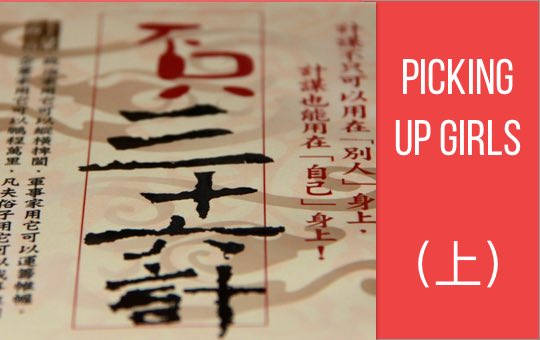
617620593March 23, 2020
0:05: zhao3ban4nv3 的技巧7:00 性騷擾是性騷擾, 沒有醜跟帥zhi1fen1?7:40 那chu2zi之外呢, 你很緊張的時候... having trouble understanding these parts. what are the characters? I think I'm transcribing wrong

BettyZhengMarch 25, 2020
0:05: 找伴侶 [zhǎo bànlǚ] finding a person who can work, travel, or live with you7:00 性騷擾就是性騷擾, 沒有醜跟帥之分 [zhī fēn]:之 means "of", 分 means "difference", so the whole sentence literally means "there's no difference between being ugly or handsome". A complete meaning would be "it doesn't matter that you are ugly or handsome, sexual harassment is sexual harassment."7:40 那除此之外 [chú cǐ zhī wài] 呢, 你很緊張的時候...:除 is from 除了 "besides", 此 is a formal way to say "this"
anonymous988875July 24, 2017
我听不懂这句话:如果你在开玩笑,可能有情不自禁地想要揍他,但是有一点好像????那个感觉。(6:06-6:10)
请问,什么样的感觉?能不能把汉字写出来?
谢。
安安
chriswood1821July 2, 2017
Used some of this on my wife... got damn lucky! Wahey! Thanks Chinesepod ;)


zaphekiahJune 1, 2017
墙角 qiáng jiǎo = corner of a room or outside corner of a wall揍 zòu = to beat up; to break to pieces招数 zhāo shù = move (in chess, on stage, in martial arts); gambit; trick; scheme; movement性命 xìng mìng = life辩护 biàn hù = to speak in defence of; to argue in favor of; to defend; to plead甲 jiǎ = 1st Heavenly Stem乙 yǐ = 2nd Heavenly Stem顺手牵羊 shùn shǒu qiān yáng = lit. to lead away a goat in passing (idiom); to steal sth under cover of an emergency; to take advantage of a crisis for personal gain
Lu4Ge1May 23, 2017
Isn't the following translation in the expansion section wrong?
"She must be very proud of her son, she reminds him every once and a while."
Shouldn't it be: "She must be very proud of her son, she's always bringing him up (or always mentioning him)?."
Lu4Ge1May 23, 2017
I don't mind non-native speakers in upper intermediate lessons, but it might be nice if they were clearly playing the role of a non-native speaker who happens to be fluent. That could be done with varying levels of subtlety (eg, "you Canadians are all so friendly..."). It's the same as people with regional accents, which I would also like more of!


pushaowenMay 20, 2017
Are you guys ever going to use different voice actors for the dialogs? I'm really tired of the same people every single time. And you really shouldn't have a non native speaker in the upper intermediate lessons anyway. Yes his Chinese is quite fluent but it's still super obvious that he's not a native speaker.
neville1May 26, 2017
I have no opinion on their choice of speaker, but could you identify some signs that the male actor is non-native? I don't hear any myself.
620555095January 24, 2018
They are both native speakers obviously with Taiwanese accent. It would be more interesting to have more Chinese mainland people's accents to cast in the dialogues.

Matt_TMay 17, 2017
Great lesson topic! The lessons topics have been getting more and more interesting lately, I can't wait to see what is next. :)
What did you notice in this lesson?
You are posting as a guest. Your reply is reviewed before it appears. Log in to post without review.