
zaphekiahMarch 4, 2021
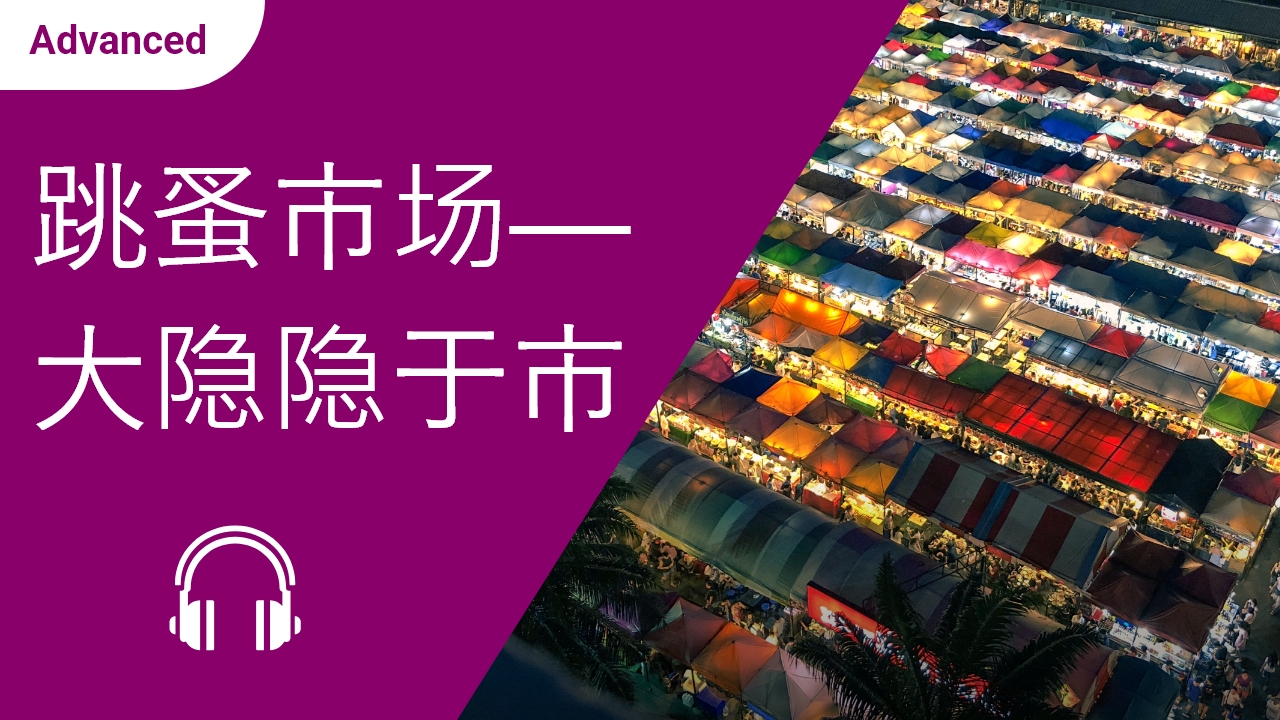
山包 shān bāo = (dialect) hill凸起 tū qǐ = convex; protruding; to protrude; to bulge; to buckle upwards小摊 xiǎo tān = vendor's stall整齐划一 zhěng qí huà yī = to be adjusted to uniformity (usually of weights and measures or movements e.g. marching) (idiom)肄业 yì yè = to attend (a school); to drop out (of college etc)引申 yǐn shēn = to extend (the meaning of a word, an analogy etc); derivation; implied排兵布阵 pái bīng bù zhèn = strategize; deploy ones forces推崇 tuī chóng = to esteem; to think highly of; to accord importance to修身 xiū shēn = to cultivate one's moral character隐居/隐住 yǐn jū/yǐn zhù = to live in seclusion

8890909June 14, 2019
what do you mean of 不在話下? how can i use it?
PeonyMJune 17, 2019
不在話下 can be translated as "be nothing difficult", and therefore no need to mention it. We can use this word by adding a noun or a verb plus noun in front of it:
他常年热爱健身,这点路对他根本不在话下。
这个著名作家出口成章,写篇小文章当然不在话下。
I hope this helps!
Aileen12June 14, 2019
This is an interesting video. In 12:50, “只修电器还真是委屈他了” is fine, but I guess you can also use “屈才”. What do you think?
PeonyMJune 17, 2019
没错,我们可以说“屈才”,或者是“大材小用”:
让这样一位有经验的技工来修这些小东西,真是 屈才/大材小 用了!
不过,作为“大隐隐于市”的“隐士”,是不是也不会觉得自己“屈才”呢?
yingyueJune 13, 2019
what's the meaning of "其” of the idiom "两全其美" and what's the diffrence between " 两全其美“ and "一举两得?”
PeonyMJune 17, 2019
Thanks for the questions!
“其” is a pronoun that refers to both sides (两个方面) here. “两全其美” means to satisfy both sides or parties, but 一举两得 focuses on one action (一举)--to achieve two things at one stroke. In “两全其美”, there are often two parties or two sides and the action influences them both in positive ways, but 一举两得 could simply be that one action has two achievements.
比如说:参加学习型旅行能够一举两得,边旅游边学习,但却不一定能两全其美,毕竟很难把两者都兼顾好。
What did you notice in this lesson?
You are posting as a guest. Your reply is reviewed before it appears. Log in to post without review.