<?xml version="1.0" encoding="UTF-8"?><rss version="2.0" 
    xmlns:content="http://purl.org/rss/1.0/modules/content/">
<channel>
    <title><![CDATA[Comments on: These Napkins Ain't Free]]></title>
    <link><![CDATA[http://chinesepod.com/lessons/these-napkins-aint-free/discussion]]></link>
    <description><![CDATA[Sometimes we take for granted the little things offered to us for free at many restaurants. In today's lesson, we'll be learning about a particularly useful item that many restaurants in China ask you to pay for.]]></description>
    <pubDate>2010-04-15 18:00:00</pubDate>
    <item>
        <title><![CDATA[By: bodawei]]></title>
        <link><![CDATA[http://chinesepod.com/lessons/these-napkins-aint-free/discussion#comment-171896]]></link>
        <author><![CDATA[bodawei]]></author>
        <pubDate></pubDate>
        <guid><![CDATA[#comment-171896]]></guid>
        <description><![CDATA[<p><span>啊</span>？<span>餐巾纸</span><span>不是</span><span>免费</span><span>的</span><span>吗</span>？(Huh? Napkins aren't free)&nbsp;</p>
<p>Nothing much is free in this life .. they usually just add it on to the bill. &nbsp;Many places add the cost of the plates, bowl and kuazi as well. &nbsp;Some places charge for tea! &nbsp;</p>
<p>My 'local' restaurant has free soup and 泡菜 (pickled vegetables) - you just go and help yourself to as much as you like. &nbsp;And the 'napkins' are 'free' - you pull as much as you need from a roll of toilet paper.</p>
<p>On the subject of 'free', there is a place near my work that has 'as much as you can eat' 粥 zhou (rice porridge) for 3 RMB. &nbsp;There is a choice of about six different varieties - a 粥吧 zhouba (porridge bar.) &nbsp;:) &nbsp;&nbsp;</p>]]></description>
        <content:encoded><![CDATA[<p><span>啊</span>？<span>餐巾纸</span><span>不是</span><span>免费</span><span>的</span><span>吗</span>？(Huh? Napkins aren't free)&nbsp;</p>
<p>Nothing much is free in this life .. they usually just add it on to the bill. &nbsp;Many places add the cost of the plates, bowl and kuazi as well. &nbsp;Some places charge for tea! &nbsp;</p>
<p>My 'local' restaurant has free soup and 泡菜 (pickled vegetables) - you just go and help yourself to as much as you like. &nbsp;And the 'napkins' are 'free' - you pull as much as you need from a roll of toilet paper.</p>
<p>On the subject of 'free', there is a place near my work that has 'as much as you can eat' 粥 zhou (rice porridge) for 3 RMB. &nbsp;There is a choice of about six different varieties - a 粥吧 zhouba (porridge bar.) &nbsp;:) &nbsp;&nbsp;</p>]]></content:encoded>
    </item>
    <item>
        <title><![CDATA[By: bababardwan]]></title>
        <link><![CDATA[http://chinesepod.com/lessons/these-napkins-aint-free/discussion#comment-171902]]></link>
        <author><![CDATA[bababardwan]]></author>
        <pubDate></pubDate>
        <guid><![CDATA[#comment-171902]]></guid>
        <description><![CDATA[<p><i>you pull as much as you need from a roll of toilet paper</i></p>
<p>...fair dinkum?</p>
<p><i>Nothing much is free in this life .. they usually just add it on to the bill.</i></p>
<p>...factored in...I wonder how to say that in Chinese.</p>
<p>I think there's a fair bit of truth in the wisdom that many people don't appreciate what they don't pay for.Folk can be pretty wasteful with free napkins and if people are more enviromentally conscious then that's good.</p>
<p>I also wonder how you'd say 3 ply in Chinese?</p>]]></description>
        <content:encoded><![CDATA[<p><i>you pull as much as you need from a roll of toilet paper</i></p>
<p>...fair dinkum?</p>
<p><i>Nothing much is free in this life .. they usually just add it on to the bill.</i></p>
<p>...factored in...I wonder how to say that in Chinese.</p>
<p>I think there's a fair bit of truth in the wisdom that many people don't appreciate what they don't pay for.Folk can be pretty wasteful with free napkins and if people are more enviromentally conscious then that's good.</p>
<p>I also wonder how you'd say 3 ply in Chinese?</p>]]></content:encoded>
    </item>
    <item>
        <title><![CDATA[By: go_manly]]></title>
        <link><![CDATA[http://chinesepod.com/lessons/these-napkins-aint-free/discussion#comment-171907]]></link>
        <author><![CDATA[go_manly]]></author>
        <pubDate></pubDate>
        <guid><![CDATA[#comment-171907]]></guid>
        <description><![CDATA[<p>Yellowbridge actually gives 2 translations for 3-ply.</p>
<p>1. 三股 (sāngǔ) - but Nciku's examples seem to apply to ropes (3 strand), and other misc. examples.</p>
<p>2. 三层夹板 (sān céng jiā bǎn) - but Nciku defines this as 'triple laminate'.</p>
<p>Perhaps the 三层 (sān céng) is on the right rack though.</p>]]></description>
        <content:encoded><![CDATA[<p>Yellowbridge actually gives 2 translations for 3-ply.</p>
<p>1. 三股 (sāngǔ) - but Nciku's examples seem to apply to ropes (3 strand), and other misc. examples.</p>
<p>2. 三层夹板 (sān céng jiā bǎn) - but Nciku defines this as 'triple laminate'.</p>
<p>Perhaps the 三层 (sān céng) is on the right rack though.</p>]]></content:encoded>
    </item>
    <item>
        <title><![CDATA[By: bodawei]]></title>
        <link><![CDATA[http://chinesepod.com/lessons/these-napkins-aint-free/discussion#comment-171917]]></link>
        <author><![CDATA[bodawei]]></author>
        <pubDate></pubDate>
        <guid><![CDATA[#comment-171917]]></guid>
        <description><![CDATA[<p>包括的 bāokuòde (included)  </p>
<p>这是包括的吗？  (Is this included [in the price]?) </p>
<p>But I may have given you the wrong impression - these things are always written separately on the bill.  There is not much 'hiding' in Chinese bills.  It is typical Chinese behaviour to closely examine the items in a restaurant bill - if you are in a fancy enough place to have given you a bill.  </p>]]></description>
        <content:encoded><![CDATA[<p>包括的 bāokuòde (included)  </p>
<p>这是包括的吗？  (Is this included [in the price]?) </p>
<p>But I may have given you the wrong impression - these things are always written separately on the bill.  There is not much 'hiding' in Chinese bills.  It is typical Chinese behaviour to closely examine the items in a restaurant bill - if you are in a fancy enough place to have given you a bill.  </p>]]></content:encoded>
    </item>
    <item>
        <title><![CDATA[By: bodawei]]></title>
        <link><![CDATA[http://chinesepod.com/lessons/these-napkins-aint-free/discussion#comment-171918]]></link>
        <author><![CDATA[bodawei]]></author>
        <pubDate></pubDate>
        <guid><![CDATA[#comment-171918]]></guid>
        <description><![CDATA[<p>At the 'toilet paper' places you refer to the 'napkins' as 卫生纸 wèishēngzhǐ (toilet paper).  </p>]]></description>
        <content:encoded><![CDATA[<p>At the 'toilet paper' places you refer to the 'napkins' as 卫生纸 wèishēngzhǐ (toilet paper).  </p>]]></content:encoded>
    </item>
    <item>
        <title><![CDATA[By: bodawei]]></title>
        <link><![CDATA[http://chinesepod.com/lessons/these-napkins-aint-free/discussion#comment-171919]]></link>
        <author><![CDATA[bodawei]]></author>
        <pubDate></pubDate>
        <guid><![CDATA[#comment-171919]]></guid>
        <description><![CDATA[<p>You are lucky if it is two ply in China.  两层的 liang3ceng2de (层 is a measure word so 两 is used)</p>]]></description>
        <content:encoded><![CDATA[<p>You are lucky if it is two ply in China.  两层的 liang3ceng2de (层 is a measure word so 两 is used)</p>]]></content:encoded>
    </item>
    <item>
        <title><![CDATA[By: bababardwan]]></title>
        <link><![CDATA[http://chinesepod.com/lessons/these-napkins-aint-free/discussion#comment-172011]]></link>
        <author><![CDATA[bababardwan]]></author>
        <pubDate></pubDate>
        <guid><![CDATA[#comment-172011]]></guid>
        <description><![CDATA[<p>谢谢，我同意。。三层 【thankyou, I agree....san1ceng2....3 ply ]</p>]]></description>
        <content:encoded><![CDATA[<p>谢谢，我同意。。三层 【thankyou, I agree....san1ceng2....3 ply ]</p>]]></content:encoded>
    </item>
    <item>
        <title><![CDATA[By: bababardwan]]></title>
        <link><![CDATA[http://chinesepod.com/lessons/these-napkins-aint-free/discussion#comment-172012]]></link>
        <author><![CDATA[bababardwan]]></author>
        <pubDate></pubDate>
        <guid><![CDATA[#comment-172012]]></guid>
        <description><![CDATA[<p>包括的 bāokuòde (included) ...of course...thanks bodawei...good reminder to think in Chinese [or at least work around with what I've learnt]...I have heard of that but it was filed in a different section of my brain if you know what I mean,hehe...I just didn't have "factored in" filed away in the same location. :)</p>]]></description>
        <content:encoded><![CDATA[<p>包括的 bāokuòde (included) ...of course...thanks bodawei...good reminder to think in Chinese [or at least work around with what I've learnt]...I have heard of that but it was filed in a different section of my brain if you know what I mean,hehe...I just didn't have "factored in" filed away in the same location. :)</p>]]></content:encoded>
    </item>
    <item>
        <title><![CDATA[By: haikewen]]></title>
        <link><![CDATA[http://chinesepod.com/lessons/these-napkins-aint-free/discussion#comment-172129]]></link>
        <author><![CDATA[haikewen]]></author>
        <pubDate></pubDate>
        <guid><![CDATA[#comment-172129]]></guid>
        <description><![CDATA[<p>"Nothing much is free in this life .. they usually just add it on to the  bill."</p>
<p>There's a Chinese phrase for this fact of life: &rdquo;羊毛去在羊身上&ldquo; -- "the goat's hair still comes out",&nbsp; I don't know why there is the reference to goats, but the meaning is that you always have to pay for something one way or the other.</p>]]></description>
        <content:encoded><![CDATA[<p>"Nothing much is free in this life .. they usually just add it on to the  bill."</p>
<p>There's a Chinese phrase for this fact of life: &rdquo;羊毛去在羊身上&ldquo; -- "the goat's hair still comes out",&nbsp; I don't know why there is the reference to goats, but the meaning is that you always have to pay for something one way or the other.</p>]]></content:encoded>
    </item>
    <item>
        <title><![CDATA[By: bodawei]]></title>
        <link><![CDATA[http://chinesepod.com/lessons/these-napkins-aint-free/discussion#comment-172136]]></link>
        <author><![CDATA[bodawei]]></author>
        <pubDate></pubDate>
        <guid><![CDATA[#comment-172136]]></guid>
        <description><![CDATA[<p>@haikewen</p>
<p>哈哈， 关于‘羊毛出在羊身上’我的词典说：比喻所得的好处实际来自于自身的付出。亦指转嫁名种负担。 媒人打夹帐，家人落背弓，陪堂讲谢礼，那羊毛出在羊身上，做了八百银子，将珍哥娶到家内。 （醒世姻缘传）第一回. 英语说： 'No such thing as a free lunch'. </p>
<p>Apologies for no pinyin and detailed translation - perhaps someone else can help?  It says that the 'chengyu' means something along the lines that there is nothing free, and then illustrates this with reference to a matchmaker arrangement that turns out more expensive than expected. But I am sure I have missed some of the subtleties.  </p>]]></description>
        <content:encoded><![CDATA[<p>@haikewen</p>
<p>哈哈， 关于‘羊毛出在羊身上’我的词典说：比喻所得的好处实际来自于自身的付出。亦指转嫁名种负担。 媒人打夹帐，家人落背弓，陪堂讲谢礼，那羊毛出在羊身上，做了八百银子，将珍哥娶到家内。 （醒世姻缘传）第一回. 英语说： 'No such thing as a free lunch'. </p>
<p>Apologies for no pinyin and detailed translation - perhaps someone else can help?  It says that the 'chengyu' means something along the lines that there is nothing free, and then illustrates this with reference to a matchmaker arrangement that turns out more expensive than expected. But I am sure I have missed some of the subtleties.  </p>]]></content:encoded>
    </item>
    <item>
        <title><![CDATA[By: kempfmarcel]]></title>
        <link><![CDATA[http://chinesepod.com/lessons/these-napkins-aint-free/discussion#comment-172156]]></link>
        <author><![CDATA[kempfmarcel]]></author>
        <pubDate></pubDate>
        <guid><![CDATA[#comment-172156]]></guid>
        <description><![CDATA[<p>my podcast don't work;why?</p>]]></description>
        <content:encoded><![CDATA[<p>my podcast don't work;why?</p>]]></content:encoded>
    </item>
    <item>
        <title><![CDATA[By: jinkeli]]></title>
        <link><![CDATA[http://chinesepod.com/lessons/these-napkins-aint-free/discussion#comment-172228]]></link>
        <author><![CDATA[jinkeli]]></author>
        <pubDate></pubDate>
        <guid><![CDATA[#comment-172228]]></guid>
        <description><![CDATA[<p>Ok. If I go to my new dashboard the newest lesson I see is from a few days ago. (Piano class)</p>
<p>Funn thing, if I drill down to say 'elementary' I see this and also future lessons. See my post on Mother's day lesson.</p>]]></description>
        <content:encoded><![CDATA[<p>Ok. If I go to my new dashboard the newest lesson I see is from a few days ago. (Piano class)</p>
<p>Funn thing, if I drill down to say 'elementary' I see this and also future lessons. See my post on Mother's day lesson.</p>]]></content:encoded>
    </item>
    <item>
        <title><![CDATA[By: 1231232]]></title>
        <link><![CDATA[http://chinesepod.com/lessons/these-napkins-aint-free/discussion#comment-172258]]></link>
        <author><![CDATA[1231232]]></author>
        <pubDate></pubDate>
        <guid><![CDATA[#comment-172258]]></guid>
        <description><![CDATA[<p>i love this new program, i agree </p>]]></description>
        <content:encoded><![CDATA[<p>i love this new program, i agree </p>]]></content:encoded>
    </item>
    <item>
        <title><![CDATA[By: user36136]]></title>
        <link><![CDATA[http://chinesepod.com/lessons/these-napkins-aint-free/discussion#comment-172281]]></link>
        <author><![CDATA[user36136]]></author>
        <pubDate></pubDate>
        <guid><![CDATA[#comment-172281]]></guid>
        <description><![CDATA[<p>In Taiwan I once had to buy toilet paper at a public restroom. It was 3 Taiwan dollars for a folded square. Most of the time it was free, but the toilet paper resembled table napkins.</p>
<p>I think I remember the word for server in the dialog was distinctly used&nbsp;in China. What word is used for server is used in Taiwan or other Chinese speaking areas? Please include pinyin.</p>]]></description>
        <content:encoded><![CDATA[<p>In Taiwan I once had to buy toilet paper at a public restroom. It was 3 Taiwan dollars for a folded square. Most of the time it was free, but the toilet paper resembled table napkins.</p>
<p>I think I remember the word for server in the dialog was distinctly used&nbsp;in China. What word is used for server is used in Taiwan or other Chinese speaking areas? Please include pinyin.</p>]]></content:encoded>
    </item>
    <item>
        <title><![CDATA[By: riceeater]]></title>
        <link><![CDATA[http://chinesepod.com/lessons/these-napkins-aint-free/discussion#comment-172299]]></link>
        <author><![CDATA[riceeater]]></author>
        <pubDate></pubDate>
        <guid><![CDATA[#comment-172299]]></guid>
        <description><![CDATA[<p>I have been here in Taiwan for twenty years now. Usually in a restaurant we would call "Xiao jie" (miss) or "Xian sheng" (sir or mr.).  Although I know the term "fu wu sheng" and someone would use it if you asked them what they do at work, it is not used to call people here in Taiwan.</p>
<p>When I first got here public toilets never had toilet paper and you would buy it from someone at the door (in the park) or from a vending machine on the wall for 10 nt dollars for a small pack with about 10 sheets.</p>
<p>Nowadays, most public restaurant and shopping mall toilets will be stocked with toilet paper, have western toilets, and be fairly clean.   Of course there are a few exceptions: parks, museums, or other ,government run facilities come to mind.  Gas stations always have public toilets, but you never know how clean or filthy they will be or if they will have toilet paper or soap.  It is always good to be prepared.</p>
<p>At restaurants here, no matter how basic the food or decor may be, the napkins, and disposable chopsticks and such are always free.</p>]]></description>
        <content:encoded><![CDATA[<p>I have been here in Taiwan for twenty years now. Usually in a restaurant we would call "Xiao jie" (miss) or "Xian sheng" (sir or mr.).  Although I know the term "fu wu sheng" and someone would use it if you asked them what they do at work, it is not used to call people here in Taiwan.</p>
<p>When I first got here public toilets never had toilet paper and you would buy it from someone at the door (in the park) or from a vending machine on the wall for 10 nt dollars for a small pack with about 10 sheets.</p>
<p>Nowadays, most public restaurant and shopping mall toilets will be stocked with toilet paper, have western toilets, and be fairly clean.   Of course there are a few exceptions: parks, museums, or other ,government run facilities come to mind.  Gas stations always have public toilets, but you never know how clean or filthy they will be or if they will have toilet paper or soap.  It is always good to be prepared.</p>
<p>At restaurants here, no matter how basic the food or decor may be, the napkins, and disposable chopsticks and such are always free.</p>]]></content:encoded>
    </item>
    <item>
        <title><![CDATA[By: catherinem]]></title>
        <link><![CDATA[http://chinesepod.com/lessons/these-napkins-aint-free/discussion#comment-172529]]></link>
        <author><![CDATA[catherinem]]></author>
        <pubDate></pubDate>
        <guid><![CDATA[#comment-172529]]></guid>
        <description><![CDATA[<p>The word for "server" used in the dialog is: 服务员儿 fúwùyuánér. I can't say for Taiwan, as I've never lived there, but I do know that here in south China many people use the term 小姐 xiǎojiě ("miss") when addressing a waitress (women only, not used with waiters). Be careful though as this has another meaning in many parts of north China.</p>]]></description>
        <content:encoded><![CDATA[<p>The word for "server" used in the dialog is: 服务员儿 fúwùyuánér. I can't say for Taiwan, as I've never lived there, but I do know that here in south China many people use the term 小姐 xiǎojiě ("miss") when addressing a waitress (women only, not used with waiters). Be careful though as this has another meaning in many parts of north China.</p>]]></content:encoded>
    </item>
    <item>
        <title><![CDATA[By: timlarson]]></title>
        <link><![CDATA[http://chinesepod.com/lessons/these-napkins-aint-free/discussion#comment-172610]]></link>
        <author><![CDATA[timlarson]]></author>
        <pubDate></pubDate>
        <guid><![CDATA[#comment-172610]]></guid>
        <description><![CDATA[<p>the sh&igrave;...de sentence used in this lesson is not used for past tense. Correct?</p>]]></description>
        <content:encoded><![CDATA[<p>the sh&igrave;...de sentence used in this lesson is not used for past tense. Correct?</p>]]></content:encoded>
    </item>
    <item>
        <title><![CDATA[By: pauley]]></title>
        <link><![CDATA[http://chinesepod.com/lessons/these-napkins-aint-free/discussion#comment-172731]]></link>
        <author><![CDATA[pauley]]></author>
        <pubDate></pubDate>
        <guid><![CDATA[#comment-172731]]></guid>
        <description><![CDATA[<p>discount is like shirt..you have to put it on to take it off...paying for napkins is a good way to stop wastage.....on the point of wastage..disposable chopsticks are really convenient but oh so wateful...should be banned or you shoukld have to pay extra to use them instead of plastic ones supplied...</p>]]></description>
        <content:encoded><![CDATA[<p>discount is like shirt..you have to put it on to take it off...paying for napkins is a good way to stop wastage.....on the point of wastage..disposable chopsticks are really convenient but oh so wateful...should be banned or you shoukld have to pay extra to use them instead of plastic ones supplied...</p>]]></content:encoded>
    </item>
    <item>
        <title><![CDATA[By: lujiaojie]]></title>
        <link><![CDATA[http://chinesepod.com/lessons/these-napkins-aint-free/discussion#comment-172743]]></link>
        <author><![CDATA[lujiaojie]]></author>
        <pubDate></pubDate>
        <guid><![CDATA[#comment-172743]]></guid>
        <description><![CDATA[<p>You're correct, the shì...de sentence used in this lesson is not used for past tense. </p>
<p>餐巾紙不是免費的嗎？ =餐巾纸不是免费的（东西）吗？</p>]]></description>
        <content:encoded><![CDATA[<p>You're correct, the shì...de sentence used in this lesson is not used for past tense. </p>
<p>餐巾紙不是免費的嗎？ =餐巾纸不是免费的（东西）吗？</p>]]></content:encoded>
    </item>
    <item>
        <title><![CDATA[By: xiao_liang]]></title>
        <link><![CDATA[http://chinesepod.com/lessons/these-napkins-aint-free/discussion#comment-172888]]></link>
        <author><![CDATA[xiao_liang]]></author>
        <pubDate></pubDate>
        <guid><![CDATA[#comment-172888]]></guid>
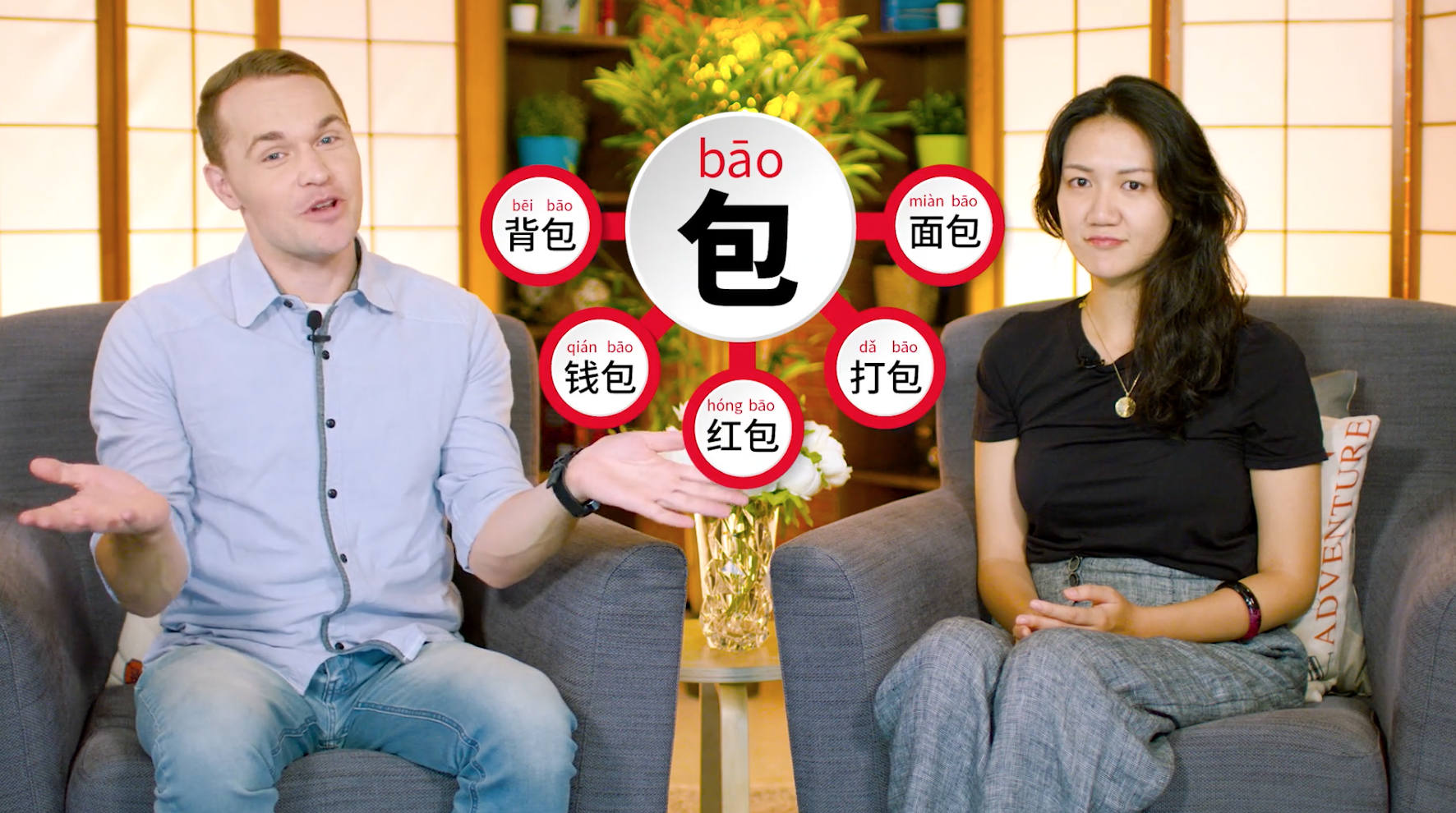
        <description><![CDATA[<p>In the expansion for this lesson I see this sentence: "<span onclick="onWordClick()" onmouseover="tip(event,'to help','bāng','帮','')" onmouseout="htip()">帮</span><span onclick="onWordClick()" onmouseover="tip(event,'I','wǒ','我','')" onmouseout="htip()">我</span><span onclick="onWordClick()" onmouseover="tip(event,'to hold','n&aacute;','拿','')" onmouseout="htip()">拿</span><span onclick="onWordClick()" onmouseover="tip(event,'briefly','yīxi&agrave;','一下','')" onmouseout="htip()">一下</span><span onclick="onWordClick()" onmouseover="tip(event,'bag','bāo','包','')" onmouseout="htip()">包。" - bāng wǒ n&aacute; yīxi&agrave; bāo, hold my bag for a moment. </span></p>
<p><span onclick="onWordClick()" onmouseover="tip(event,'bag','bāo','包','')" onmouseout="htip()">The word ordering is unusual to my eyes, can someone explain how this is constructed? (preferably in terms that a grammar-terrified student might understand please!). It's the usage of 一下 that's confusing me I think. "help me hold a moment bag" ..?</span></p>]]></description>
        <content:encoded><![CDATA[<p>In the expansion for this lesson I see this sentence: "<span onclick="onWordClick()" onmouseover="tip(event,'to help','bāng','帮','')" onmouseout="htip()">帮</span><span onclick="onWordClick()" onmouseover="tip(event,'I','wǒ','我','')" onmouseout="htip()">我</span><span onclick="onWordClick()" onmouseover="tip(event,'to hold','n&aacute;','拿','')" onmouseout="htip()">拿</span><span onclick="onWordClick()" onmouseover="tip(event,'briefly','yīxi&agrave;','一下','')" onmouseout="htip()">一下</span><span onclick="onWordClick()" onmouseover="tip(event,'bag','bāo','包','')" onmouseout="htip()">包。" - bāng wǒ n&aacute; yīxi&agrave; bāo, hold my bag for a moment. </span></p>
<p><span onclick="onWordClick()" onmouseover="tip(event,'bag','bāo','包','')" onmouseout="htip()">The word ordering is unusual to my eyes, can someone explain how this is constructed? (preferably in terms that a grammar-terrified student might understand please!). It's the usage of 一下 that's confusing me I think. "help me hold a moment bag" ..?</span></p>]]></content:encoded>
    </item>
    <item>
        <title><![CDATA[By: lujiaojie]]></title>
        <link><![CDATA[http://chinesepod.com/lessons/these-napkins-aint-free/discussion#comment-172930]]></link>
        <author><![CDATA[lujiaojie]]></author>
        <pubDate></pubDate>
        <guid><![CDATA[#comment-172930]]></guid>
        <description><![CDATA[<p>一下  means "in a short while"   verb+一下 is a common pattern in Chinese. </p>
<p>帮我拿一下包 means "help me hold my bag for a moment"</p>]]></description>
        <content:encoded><![CDATA[<p>一下  means "in a short while"   verb+一下 is a common pattern in Chinese. </p>
<p>帮我拿一下包 means "help me hold my bag for a moment"</p>]]></content:encoded>
    </item>
    <item>
        <title><![CDATA[By: go_manly]]></title>
        <link><![CDATA[http://chinesepod.com/lessons/these-napkins-aint-free/discussion#comment-172936]]></link>
        <author><![CDATA[go_manly]]></author>
        <pubDate></pubDate>
        <guid><![CDATA[#comment-172936]]></guid>
        <description><![CDATA[<p>To add to that, 一下 tends to appear as a way to soften a suggestion - kind of like 'why don't you', 'would you mind'.</p>]]></description>
        <content:encoded><![CDATA[<p>To add to that, 一下 tends to appear as a way to soften a suggestion - kind of like 'why don't you', 'would you mind'.</p>]]></content:encoded>
    </item>
    <item>
        <title><![CDATA[By: xiao_liang]]></title>
        <link><![CDATA[http://chinesepod.com/lessons/these-napkins-aint-free/discussion#comment-173050]]></link>
        <author><![CDATA[xiao_liang]]></author>
        <pubDate></pubDate>
        <guid><![CDATA[#comment-173050]]></guid>
        <description><![CDATA[<p>Thanks for the response. I understand the meaning, I'm still confused as to the word order really. Why is it 拿一下包 and not 拿包一下?</p>]]></description>
        <content:encoded><![CDATA[<p>Thanks for the response. I understand the meaning, I'm still confused as to the word order really. Why is it 拿一下包 and not 拿包一下?</p>]]></content:encoded>
    </item>
    <item>
        <title><![CDATA[By: connie]]></title>
        <link><![CDATA[http://chinesepod.com/lessons/these-napkins-aint-free/discussion#comment-173274]]></link>
        <author><![CDATA[connie]]></author>
        <pubDate></pubDate>
        <guid><![CDATA[#comment-173274]]></guid>
        <description><![CDATA[<p>"一下" is put after the verb. </p>
<p>看一下书 kàn yīxià shū</p>
<p>听一下音乐 tīng yīxià yīnyuè</p>
<p>玩一下游戏 wán yīxià yóuxì</p>
<p></p>]]></description>
        <content:encoded><![CDATA[<p>"一下" is put after the verb. </p>
<p>看一下书 kàn yīxià shū</p>
<p>听一下音乐 tīng yīxià yīnyuè</p>
<p>玩一下游戏 wán yīxià yóuxì</p>
<p></p>]]></content:encoded>
    </item>
    <item>
        <title><![CDATA[By: xiao_liang]]></title>
        <link><![CDATA[http://chinesepod.com/lessons/these-napkins-aint-free/discussion#comment-173275]]></link>
        <author><![CDATA[xiao_liang]]></author>
        <pubDate></pubDate>
        <guid><![CDATA[#comment-173275]]></guid>
        <description><![CDATA[<p>I see. Thank you Connie, I will try to remember this :)</p>]]></description>
        <content:encoded><![CDATA[<p>I see. Thank you Connie, I will try to remember this :)</p>]]></content:encoded>
    </item>
    <item>
        <title><![CDATA[By: kaixin_in_tampa]]></title>
        <link><![CDATA[http://chinesepod.com/lessons/these-napkins-aint-free/discussion#comment-176135]]></link>
        <author><![CDATA[kaixin_in_tampa]]></author>
        <pubDate></pubDate>
        <guid><![CDATA[#comment-176135]]></guid>
        <description><![CDATA[<p>bodawei, thanks for your post. From Google Translate:</p>
<p>Hāhā, guānyú 'yángmáo chū zài yáng shēnshang' wǒ de cídiǎn shuō: Bǐyù suǒdé de hǎochù shíjì lái zì yú zìshēn de fùchū. Yì zhǐ zhuǎnjià míng zhǒng fùdān. Méirén dǎ jiā zhàng, jiārén luò bèi gōng, péi táng jiǎng xiè lǐ, nà yángmáo chū zài yáng shēnshang, zuò le bā bǎi yínzi, jiāng zhēn gē qǔ dàojiā nèi. (Xǐng shì yīnyuán chuán) dì yī huí. Yīngyǔ shuō: 'No such thing as a free lunch'.</p>
<p>Typing more than a couple of sentences in pinyin is *very* laborious and it's not Chinese anyway, I think I will try to use a tool like this in the future.</p>
<p>Did you mean: 一直 at the start of the second sentence?</p>]]></description>
        <content:encoded><![CDATA[<p>bodawei, thanks for your post. From Google Translate:</p>
<p>Hāhā, guānyú 'yángmáo chū zài yáng shēnshang' wǒ de cídiǎn shuō: Bǐyù suǒdé de hǎochù shíjì lái zì yú zìshēn de fùchū. Yì zhǐ zhuǎnjià míng zhǒng fùdān. Méirén dǎ jiā zhàng, jiārén luò bèi gōng, péi táng jiǎng xiè lǐ, nà yángmáo chū zài yáng shēnshang, zuò le bā bǎi yínzi, jiāng zhēn gē qǔ dàojiā nèi. (Xǐng shì yīnyuán chuán) dì yī huí. Yīngyǔ shuō: 'No such thing as a free lunch'.</p>
<p>Typing more than a couple of sentences in pinyin is *very* laborious and it's not Chinese anyway, I think I will try to use a tool like this in the future.</p>
<p>Did you mean: 一直 at the start of the second sentence?</p>]]></content:encoded>
    </item>
    <item>
        <title><![CDATA[By: bodawei]]></title>
        <link><![CDATA[http://chinesepod.com/lessons/these-napkins-aint-free/discussion#comment-176158]]></link>
        <author><![CDATA[bodawei]]></author>
        <pubDate></pubDate>
        <guid><![CDATA[#comment-176158]]></guid>
        <description><![CDATA[<p>亦指转嫁名种负担 - (also indicates shifting some kind of burden to someone; 'passing the buck')  </p>
<p>亦指 means 'also indicates...', in this case a reference to a meaning for the original expression.  </p>
<p>I should point out that I got this whole explanation of the expression from a dictionary.  I did not attempt to put it into my own words.  :)  </p>]]></description>
        <content:encoded><![CDATA[<p>亦指转嫁名种负担 - (also indicates shifting some kind of burden to someone; 'passing the buck')  </p>
<p>亦指 means 'also indicates...', in this case a reference to a meaning for the original expression.  </p>
<p>I should point out that I got this whole explanation of the expression from a dictionary.  I did not attempt to put it into my own words.  :)  </p>]]></content:encoded>
    </item>
</channel>
</rss>