
floalvarezSeptember 26, 2012
琼瑶应该来奧蘭多跟迪士尼公主,特别是花木兰会面。这些机智,充满活力和拥有積極人生觀的主人公或许会使琼瑶黑暗悲慘的世界开朗一点。我希望她以后的写作会传递信心和希望,因为她对中国的女性(包括华裔)是有相当的影响力。
floalvarezSeptember 21, 2012
一些词汇:
工地 gōng dì construction site
大致 dà zhì more or less; roughly; approximately
妾 qiè concubine
雕梁画栋 diāo liáng huà dòng gorgeous and magnificent houses
公平起见 gōng píng qǐ jiàn In all fairness
罪恶 zuì è sin
煽情 shān qíng gushy
肉麻 ròu má sickening; disgusting
享用 xiǎng yòng to enjoy the use of
实地 shí dì on the spot; live
制约 zhì yuē to restrict; to confine
一夫多妻制 yī fū duō qī polygamy
博学多才 zhì bó xué duō cái to be learned and accomplished
恩情 ēn qíng loving-kindness; a debt of gratitude

jheadwrenchApril 21, 2012
Hi - very nice lessons, the lesson notes and my dictionary say pai2fang1 but in the lesson it sounds to me like pai2fang4. Is this just my mis-hearing or can the pronunciation be pai2fang4 or perhaps pai2fang5??


yarajeevSeptember 1, 2011
刚才看到这节课的论坛发现我想问的问题都已经问过了。只有一件事我要补充:我觉得“守寡”不算是严重地虐待妇女,你要真正地虐待女人的话,像印度人学习,古代的习惯就是逼迫活着寡妇在丈夫的木柴堆上烧掉。男人成了鳏夫的话,没有任何限制再婚。
connieSeptember 1, 2011
天啊,把人活活烧死,印度人的做法也太残忍了吧。我只听过在中国古代,有的皇帝会让他的妃子或宫女陪葬。另外在民间,如果女子对她的丈夫不贞,会被抓去浸猪笼。(浸猪笼:把人放在竹子编成的笼里然后丢进水里活活淹死。)


ouxianshengAugust 28, 2011
5:31 竖在那里
7:22 瞧你那德行
9:46 看上去比较耀眼
10:00 男人没有权shaoyong
12:12 一夫多妻zhi
14:18 当时社会的制约
19:45 在实地看到过
还有在课文:
B: 你这句话说的?太对了
还是
你这句话说得?太对了
谢谢!


ZhouRuiAugust 27, 2011
The CD quality audio for this lesson restarts at 12:10 and then at 18:05 cuts to the last few minutes of the lesson.

jennyzhuAugust 29, 2011
A few of us checked at office and home. There was no problem on our end. Did you save it as a file or just clicked to play?

ZhouRuiAugust 27, 2011
扩展资料中表彰的第三个例子有“表彰A的贡献“的词组,英文翻译为'to reward A's contribution'。比较好的翻译是 ' to reward A for their contribution' 吗?还是 'to honor A's contribution'?
ZhouRuiAugust 27, 2011
I just elicited this sentence from a native speaker '盖了一个纪念碑表彰他的义行'. It seems to me 表彰 correlates with English 'to honor'. Looking up the word in the dictionary I found this as well:
表彰 biǎo zhāng to honor / to commend / to cite (in dispatches)
http://www.mdbg.net/chindict/chindict.php?page=worddict&wdrst=0&wdqb=%E8%A1%A8%E5%BD%B0

GregEAugust 28, 2011
I actually discussed this for awhile with my coworkers, and we eventually came to the conclusion that "to reward" is most suitable for 表彰 because it necessarily includes a material reward, whereas "to honor" in English doesn't always have this implication.



jennyzhuAugust 26, 2011
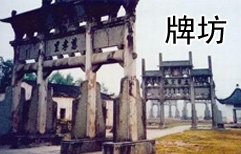
古时候安徽是中国的礼仪之邦,人民都非常讲究礼节、诚信。因此那儿的牌坊也特别多,有上千座。可惜现在安徽在中国的形象不是太好。

rhubarbAugust 26, 2011
我以前的汉语老师是一位安徽人。 他说在中国一般来说安徽人号称是人不好。他自己在上海有时候好像为了这些情况收到了偏见。
Quick heads-up: in the vocabulary section the tone mark on the pinyin for the first syllable of 安徽 hasn't fully converted (there's a numeral left in) :)
无论从文化方面来说, 还是从语言方面来说, 这就是一节非常令人印象深刻, 很成功的课。谢谢!
What did you notice in this lesson?
You are posting as a guest. Your reply is reviewed before it appears. Log in to post without review.