
oderryboyJune 11, 2014
I really like this lesson - such a variety of new phrases.
很有妈妈的感觉 , 我现在满脑子都是宝宝
once you have this type of phrase you can use it as a boilerplate for thinking up your own.
我现在满脑子都是 ...... and 很有.......的感觉
it provides a really good springboard for learning.
Thank you
太谢谢你们了
墨文



joycedimaculanganApril 2, 2013
Question: Would it be correct to say "很有热恋中的女人的感觉“? What I'm trying to say is "You have the look of a woman in love." Hehe. Thanks!


cowoodMarch 29, 2013
"那你上班以后谁带宝宝啊?"
我有个问题关于上面的句子: 这个“带”跟照顾一样,对吧? 很奇怪,因为昨天在公园我问了个阿姨, “你每天都照顾你的孙子吗?” 她听不懂才我说,“你每天都看你的孙子吗?” 她的普通话讲的不好,肯能就是道理她不懂了。
我猜我的问题是“带”还是“照顾”比较口语或常用? 而且,可不可也说“看看”有一样的意思?
As always, 写错了的话,请就修改一下。修改真的有帮助。Thanks!


ejrungeMarch 28, 2013
I have never been asked to grant paternity leave. Maternity leave seems quite generous, but considering most workers tend to leave their children with relatives when they return to work, the extra time is probably necessary. There is also some extra time that can be used within the 1st year that is called "breastfeeding leave". Most use this time to travel back home to visit their children.
bohan2007March 28, 2013
Questions:
1. In the lesson we learned that we can say 我满脑子都是这首歌, and we can also say 我现在满脑子都是宝宝. In English, when we say "I have a song stuck in my head", it's never a good thing, so my question is does saying 我现在满脑子都是宝宝 not carry a bit of negative meaning? Does Chinese language not distinguish "having something stuck in one's head", which is a bad thing, and "all I can think about is" which is something important to us?
2. How do we say husband's mother-in-law and father-in-law?
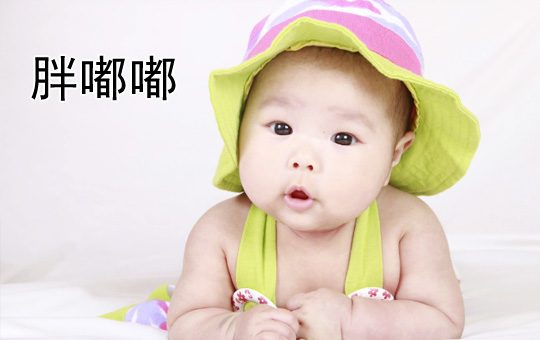
3. Chinesepod recently taught another word for chubby: 胖乎乎. Is this word any different in meaning or usage compared to 胖嘟嘟?
4. In the task section there is a question I'm curious about. The question is: 生完小孩以后,产妇一般休息多久去上班?In this sentence, there is no 才 or any other character after 多久. If we put a 才 after 多久,would there be a difference in meaning, and would it sound less natural?

verazhang100March 29, 2013
1. It's hard to distinguish 'positive' or 'negative' in this case. Only thing can be helpful is context.
2. 岳父/岳母 yue4fu(father-in-law)/yue4mu3(mother-in-law)
3. No different.
4. 才 emphasize 'late'. So if you put 才, it implies maternity leave is pretty long.

dropped_chopstickMarch 28, 2013
maternity leave = 产假
what is paternity leave, and does China have it?

veronique21March 28, 2013
Transcript will be here: https://chinesepod.com/community/conversations/post/13417

What did you notice in this lesson?
You are posting as a guest. Your reply is reviewed before it appears. Log in to post without review.