How To Use 何尝
Relevant Content
We'll always make sure you know exactly what the lesson is about. You will easily understand whether it is relevant for you.

Great Hosts
Here at ChinesePod, all our lessons are presented in an entertaining manner by our great hosts. You'll find language learners, teachers, and even professors sharing their insights, ideas, and teaching methods in our video and audio lessons.
Brief Lesson Summaries
A brief introduction of the lesson will always tell you what this lesson is about and what language level is the intended target. If you're interested in the subject, but might not be able to understand it in full, fear not; we have transcripts of lesson dialogues vocabulary so you can follow along.
IN THIS LESSON
ID: 7445
Advanced
How to use 何尝 / 何嘗 / hécháng
In this Qing Wen, we help Mingmao understand the various uses of the rhetorical question word 何尝, which translates as when? / how? / it's not that...
It can be used to ask people not to blame you, but to blame the situation, or it can be used to defend yourself or others. Watch the video and study the example sentences to get a better understanding.
Constance Fang,Fiona Tian
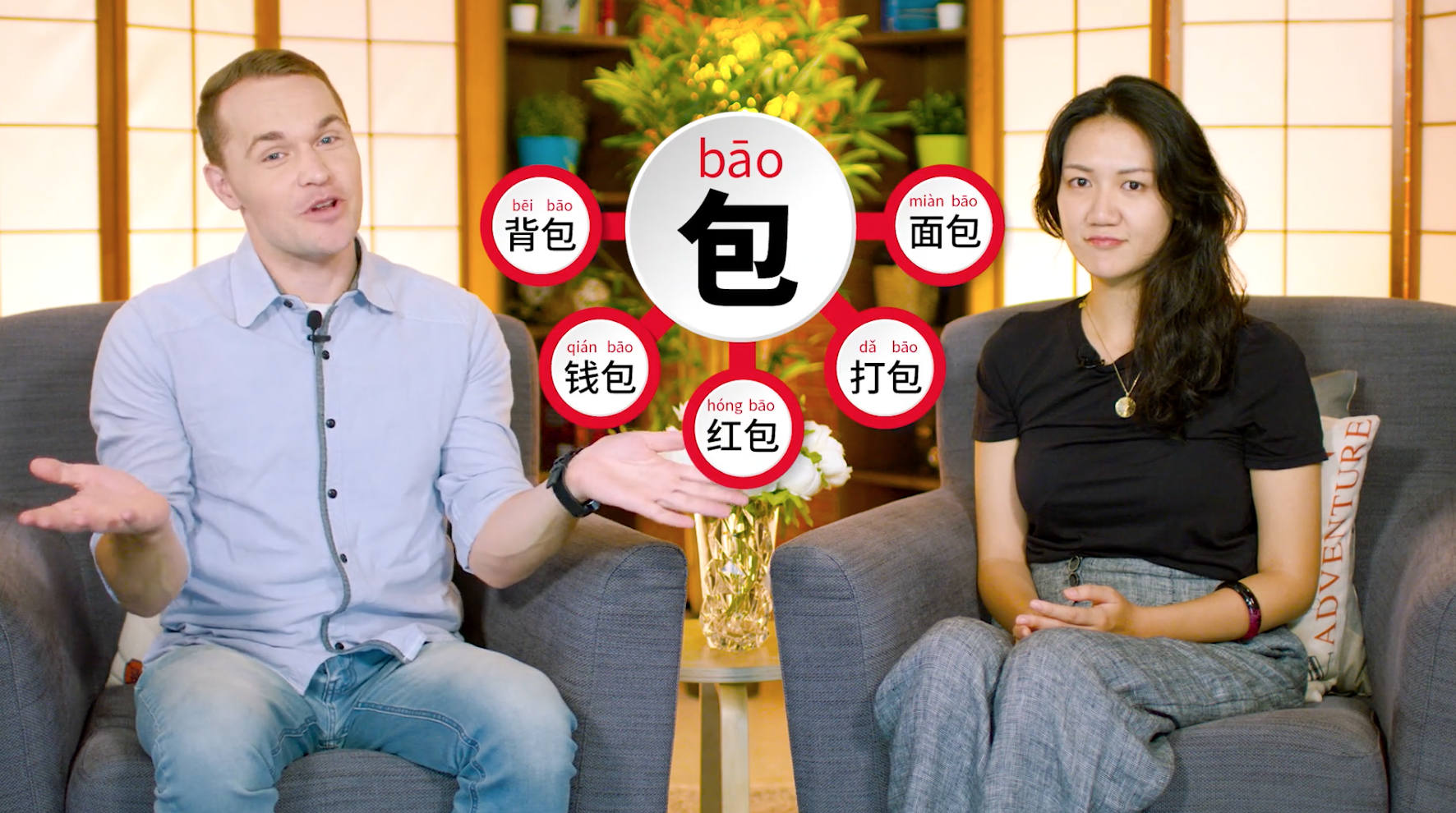
Awesome Materials
Our lessons contain natural communication in Chinese in video and audio format. We have have lessons focused on video or a podcast format and our lessons have transcripts of Lesson Dialogues, Important Vocabulary, Expanded Materials for a deep dive into the lesson topic and Exercises focused on testing your retention.
Detailed Vocabulary
Each lesson has it's unique vocabulary and will provide you with definitions and recordings so you can practice the pronunciation. You will also be able to grasp the core material of a lesson at a glance. Here we're showing you the Simplified Chinese version.
| SIMPLIFIED | PINYIN | ENGLISH |
|---|
何尝怎么有怎么没有怎么不哪里是一个表达特定语气的副词
hécháng 何尝zěnme 怎么yǒu 有zěnme 怎么méiyǒu 没有zěnme 怎么bù 不nǎli 哪里shì 是yī 一gè 个biǎodá 表达tèdìng 特定yǔqì 语气de 的fù 副cí 词
he2 chang2: rhetorical question; how can it have..., how can it not have..., why not, where. This is an adverb used to express a specific tone.
何尝后面接否定语气时句子的意思是肯定后面接肯定语气时句子的意思是否定
hécháng 何尝hòumian 后面jiē 接dìng 否定yǔqì 语气shí 时jùzi 句子de 的yìsi 意思shì 是kěndìng 肯定hòumian 后面jiē 接kěndìng 肯定yǔqì 语气shí 时jùzi 句子de 的yìsi 意思shì 是dìng 否定
When he2 chang2 is used with a negative tone, the sentence is actually an affirmative one; when it is used with an affirmative tone, it is actually a negative sentence.
他说他没有机会了解我我又何尝有机会了解他呢意思是没有机会了解他
tā 他shuō 说tā 他méi 没yǒu jīhuì 有机会liǎojiě 了解wǒ 我wǒ 我yòu 又hécháng 何尝yǒu jīhuì 有机会liǎojiě 了解tā 他ne 呢yìsi 意思shì 是méi 没yǒu jīhuì 有机会liǎojiě 了解tā 他
He says he had no opportunities to get to know me, but when would I have had the opportunity to get to know him? (meaning, "I did not have the opportunity to get to know him")
我何尝不想跟你联络但我没有你的电话啊意思是想跟对方联络
wǒ 我hécháng 何尝bù xiǎng 不想gēn 跟nǐ 你liánluò 联络dàn 但wǒ 我méiyǒu 没有nǐ de 你的diànhuà 电话ā 啊yìsi 意思shì 是xiǎng 想gēn 跟duìfāng 对方liánluò 联络
Why would I not want to get in touch with you? I never got your phone number! (meaning, "I wanted to get in touch")
Natural Dialogues
Each lesson is centered around a natural dialogue with key vocabulary directly prepared and translated for your use. You can also listen to each sentence as an individual recording to improve your listening and comprehension skills.
Try It For Free
ChinesePod is 100% Free to Try. Create an account today and get started!