Lesson Comments

We called them 大男子主义/dà nánzǐ zhǔyì, which is used as an adjective, e.g. 他很大男子主义。 Read more
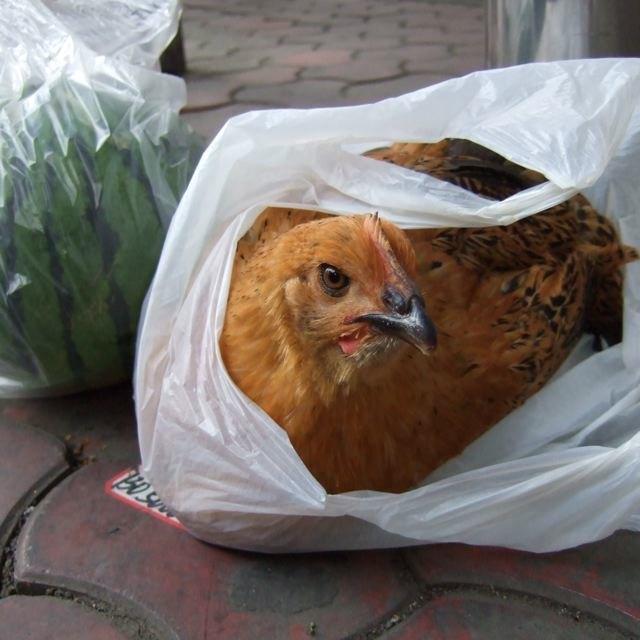
Good stuff. I'm surprised no one mentioned mention what I've always been taught as being the most manly of men... 纯爷们儿. Probably used much... Read more
You can call them 爷爷/yéye, 奶奶/nǎinai, which mean (paternal) grandpa and grandma, but also an endearing way to address the elderly. I'm sure your host... Read more

I'm pretty sure addressing someone as 陈同志 ie putting their surname first, can only be interpreted as Comrade Chen. Some similar ones: 老大妈,老奶奶,老兄,老弟,... Read more

what's the difference between 特地 and 专门, cause in the example sentences the usages seem kind of similar Read more
When I was younger and didn't know chinese, I thought that "meiti meiti" (媒体媒体) was a way to address famous people or their entourage. ;o) Read more
Hey I'm studying Beijing at the moment and moving in with a host family tomorrow. I hear they are of grandparent age, so any suggestions on what I can... Read more

Such ending usually found in the diplomatic contact 我实在感激你的帮助,感谢 我期盼着新经验 Samyea Read more
Such ending usually found in the diplomatic contact 我实在感激你的帮助,感谢 我期盼着新经验 Samyea Read more
nciku is pretty good and updated. Read more